A. The Digital Carbon Footprint: The Imperative for Green Data Centers
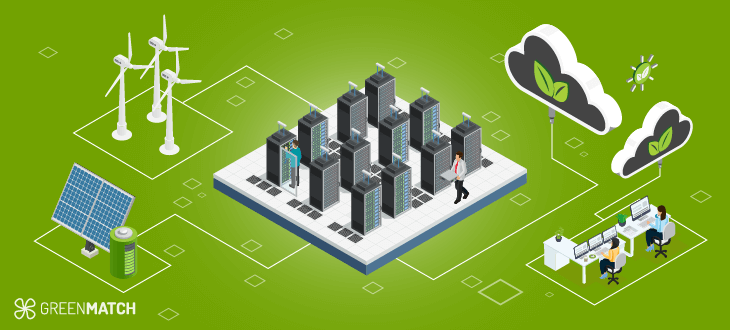
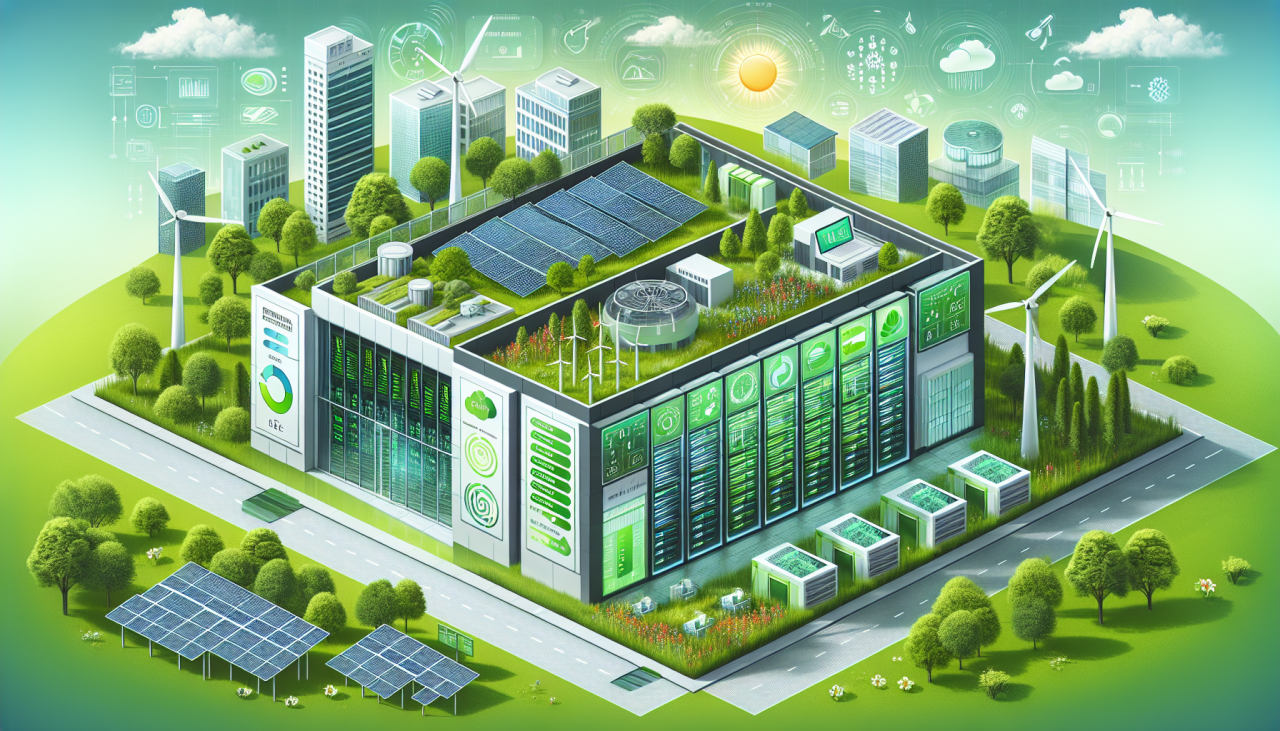
In an era defined by digital transformation, cloud computing, and the Internet of Things (IoT), data centers have become the unseen engines of our global economy. However, this digital revolution carries a significant environmental cost. Traditional data centers are prodigious consumers of energy, accounting for approximately 1-2% of global electricity demand—a figure that is steadily rising. This massive energy consumption, coupled with substantial water usage for cooling and a growing volume of electronic waste, has thrust the industry into the spotlight. In response, a profound and necessary shift is underway: the rise of the Green Data Center. A Green Data Center is a facility designed for maximum energy efficiency and minimal environmental impact, achieved through cutting-edge technologies, strategic architectural choices, and sustainable operational practices. This comprehensive guide explores the multifaceted world of green data center initiatives, providing a detailed blueprint for understanding how the industry is transforming itself from an environmental liability into a pioneer of sustainable innovation.
The drive toward sustainability is no longer a niche corporate social responsibility project; it is a core business imperative driven by economic pressures, regulatory requirements, and growing stakeholder demand for corporate accountability. This article will dissect the key strategies, from advanced cooling techniques and renewable energy integration to sophisticated metrics and circular economy principles, that are defining the future of sustainable digital infrastructure.
B. The Core Pillars of a Green Data Center Strategy
Building and operating a truly sustainable data center requires a holistic approach that addresses multiple facets of its design and operation. These initiatives can be categorized into several core pillars.
A. Advanced Energy Efficiency Measures
The primary goal is to reduce the total amount of energy required to perform a given amount of computational work. This is the most direct path to lowering carbon emissions and operational costs.
-
Power Usage Effectiveness (PUE): This is the cornerstone metric for data center energy efficiency. It is calculated by dividing the total facility energy by the energy used solely by the IT equipment. A perfect PUE of 1.0 means all energy goes to the computers. The industry average has improved to around 1.5-1.7, but leading green facilities now achieve PUEs of 1.1-1.3.
-
Server Virtualization and Consolidation: This involves running multiple virtual servers on a single physical machine. By drastically reducing the number of physical servers required, companies can lower energy consumption, reduce hardware manufacturing footprints, and decrease physical space needs.
-
High-Efficiency Power Infrastructure: Replacing old, inefficient Uninterruptible Power Supplies (UPS), power distribution units (PDUs), and transformers with modern, high-efficiency models can save significant amounts of energy that would otherwise be lost as heat.
B. Innovative Cooling and Thermal Management
Cooling typically accounts for 30-40% of a data center’s total energy consumption. Revolutionary approaches to thermal management are therefore critical.
-
Free Cooling Techniques: This involves using outside air or water to cool the facility, reducing or eliminating the need for energy-intensive mechanical chillers.
-
Air-Side Economization: Using filters and dampers to directly bring cool outside air into the data center. This is highly effective in climates with consistently cool temperatures.
-
Water-Side Economization: Using cooling towers or evaporative cooling to create chilled water with minimal compressor energy.
-
-
Liquid Cooling Technologies: As server densities increase with more powerful processors, air cooling becomes insufficient. Liquid cooling, which is far more efficient at heat transfer, is gaining traction.
-
Direct-to-Chip Cooling: A coolant is circulated through a cold plate that is directly attached to high-heat components like CPUs and GPUs.
-
Immersion Cooling: Servers are fully submerged in a dielectric, non-conductive fluid that boils at a low temperature, carrying heat away with exceptional efficiency.
-
-
Containment Systems: Implementing hot aisle/cold aisle containment prevents the mixing of cold supply air and hot exhaust air. This simple yet highly effective strategy ensures that cooling is delivered precisely where it is needed, boosting cooling system efficiency by up to 30%.
C. Sourcing Sustainable and Renewable Energy
Reducing energy consumption is only one part of the equation. The other is powering operations with clean, renewable sources.
-
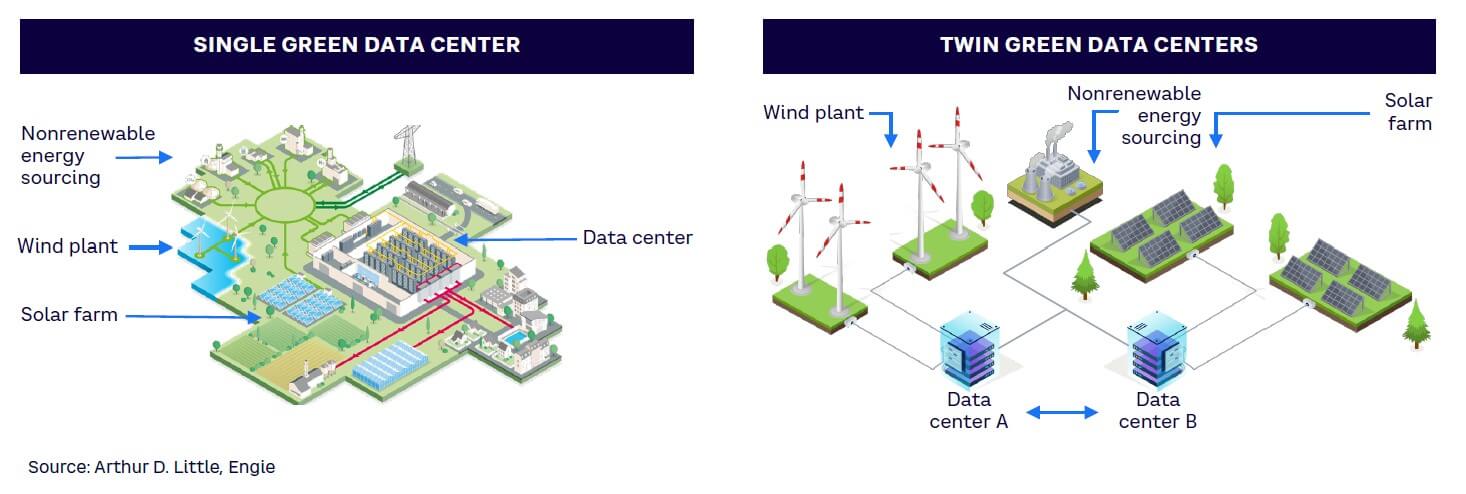
Power Purchase Agreements (PPAs): Data center operators enter into long-term contracts to purchase electricity directly from a renewable energy generator, such as a solar or wind farm. This provides the developer with guaranteed revenue to build new renewable capacity.
-
On-Site Generation: Installing solar panels, wind turbines, or fuel cells on or near the data center campus provides a direct, resilient source of clean energy.
-
Renewable Energy Credits (RECs): When direct procurement is not feasible, companies can purchase RECs, which represent the environmental attributes of one megawatt-hour of renewable electricity generated and added to the grid. This is a key tool for achieving carbon neutrality claims.
D. Water Stewardship and Conservation
Data centers are significant consumers of water, primarily for cooling tower operation. Green initiatives focus on reducing this impact.
-
Water Usage Effectiveness (WUE): This metric measures the liters of water used per kilowatt-hour of IT equipment energy. Monitoring WUE drives conservation efforts.
-
Air-Cooled Chillers and Dry Coolers: While slightly less energy-efficient in some climates, these systems eliminate water consumption for heat rejection.
-
Water Reclamation and Recycling: Treating and reusing on-site water, or using municipally supplied reclaimed water (non-potable) for cooling, significantly reduces the demand for fresh drinking water.
E. Sustainable Design and Circular Economy Principles
The green philosophy extends to the building itself and the lifecycle of the hardware within it.
-
Building Certification: Pursuing certifications like LEED (Leadership in Energy and Environmental Design) ensures the entire facility is constructed with sustainable materials, efficient lighting, and a minimized environmental footprint.
-
Hardware Lifecycle Management: This involves:
-
Right-Sizing: Deploying hardware that matches the computational workload to avoid over-provisioning and wasted energy.
-
Refurbishment and Reuse: Extending the life of servers through internal refurbishment or selling them to the secondary market.
-
Responsible Recycling: At end-of-life, partnering with certified e-waste recyclers to ensure toxic materials are handled safely and valuable components are recovered.
-
C. Key Performance Indicators (KPIs) for Measuring Sustainability
You cannot manage what you cannot measure. Green data centers rely on a suite of sophisticated metrics to track performance and guide improvements.
A. Power Usage Effectiveness (PUE)
As mentioned, this is the most widely adopted metric. The calculation is:
PUE = Total Facility Energy / IT Equipment Energy
A lower PUE indicates higher efficiency. Continuous monitoring of PUE is essential for identifying inefficiencies.
B. Carbon Usage Effectiveness (CUE)
This metric measures the carbon footprint of the data center.
CUE = (Total CO2 Emissions Caused by Total Data Center Energy [kg CO2]) / IT Equipment Energy [kWh])
A CUE of 0.0 would mean all power was derived from carbon-free sources.
C. Water Usage Effectiveness (WUE)
This metric, created by The Green Grid, measures water efficiency.
WUE = Annual Site Water Usage [liters] / IT Equipment Energy [kWh]
D. Energy Reuse Effectiveness (ERE)
This advanced metric accounts for energy that is recovered from the data center and reused, for example, to heat nearby buildings.
ERE = (Total Facility Energy - Reused Energy) / IT Equipment Energy
An ERE lower than the PUE demonstrates successful energy recycling.
D. The Tangible Business Benefits of Going Green
The investment in green initiatives is not just an ethical choice; it delivers a compelling return on investment and strategic advantages.
A. Significant Reduction in Operational Expenditure (OpEx)
Energy is the single largest operational cost for a data center. Improving PUE from 1.7 to 1.3 can reduce overall energy costs by 20-25%, leading to millions of dollars in annual savings for a large facility.
B. Enhanced Corporate Reputation and Brand Value
Demonstrating a commitment to sustainability strengthens brand image, attracts environmentally conscious customers and partners, and can be a powerful differentiator in a competitive market.
C. Improved Reliability and Resilience
Many green technologies, such as free cooling and on-site power generation, also enhance the resilience of the data center. They provide alternative operating modes that can be used during grid instability or power outages.
D. Future-Proofing Against Regulatory Compliance
Governments worldwide are implementing stricter carbon taxes and emissions regulations. Proactively adopting green practices positions a company to comply with future legislation easily, avoiding potential fines and penalties.
E. Attracting and Retaining Top Talent
A growing segment of the workforce, particularly among younger generations, prefers to work for companies that demonstrate a strong commitment to environmental and social responsibility.
E. A Step-by-Step Guide to Implementing Green Initiatives
Transitioning to a greener operation is a journey that requires careful planning.
A. Phase 1: Assessment and Baseline Establishment
-
Conduct a comprehensive energy audit of the entire facility.
-
Calculate your current PUE, WUE, and CUE to establish a performance baseline.
-
Identify the largest sources of energy and water consumption.
B. Phase 2: Targeting Low-Hanging Fruit
-
Implement Containment: Hot aisle/cold aisle containment is one of the most cost-effective first steps.
-
Optimize Temperature Setpoints: Safely raise the temperature in the cold aisles. ASHRAE now recommends allowable temperatures up to 80.6°F (27°C) for newer equipment.
-
Decommission Zombie Servers: Identify and remove obsolete, unused, or underutilized servers.
C. Phase 3: Strategic Technology Investments
-
Evaluate and plan for the adoption of free cooling systems.
-
Begin a phased server refresh, prioritizing high-efficiency hardware and virtualization.
-
Explore renewable energy options, starting with a PPA or on-site solar pilot.
D. Phase 4: Continuous Improvement and Culture
-
Install real-time monitoring systems for all key metrics.
-
Establish a cross-functional green team to drive ongoing initiatives.
-
Report on sustainability performance to stakeholders transparently.
F. Conclusion: The Inevitable Trajectory Toward a Sustainable Digital Future
The movement toward green data centers is an irreversible and accelerating global trend. What began as a series of isolated efficiency projects has matured into a comprehensive philosophy that integrates sustainability into the very DNA of digital infrastructure. The technologies and strategies outlined in this guide—from liquid cooling and AI-driven energy management to renewable energy sourcing and circular economy principles—are no longer speculative; they are proven, scalable, and economically viable.
For businesses, the choice is clear: embrace this transformation and reap the rewards of lower costs, enhanced resilience, and a powerful market position, or risk being left behind as a relic of an unsustainable past. The green data center is not a destination but a continuous journey of innovation and improvement. It represents the tech industry’s commitment to ensuring that the foundation of our digital world is built in harmony with the planet, paving the way for a future where technological progress and environmental stewardship are inextricably linked.