Green IT Investments Surge Globally
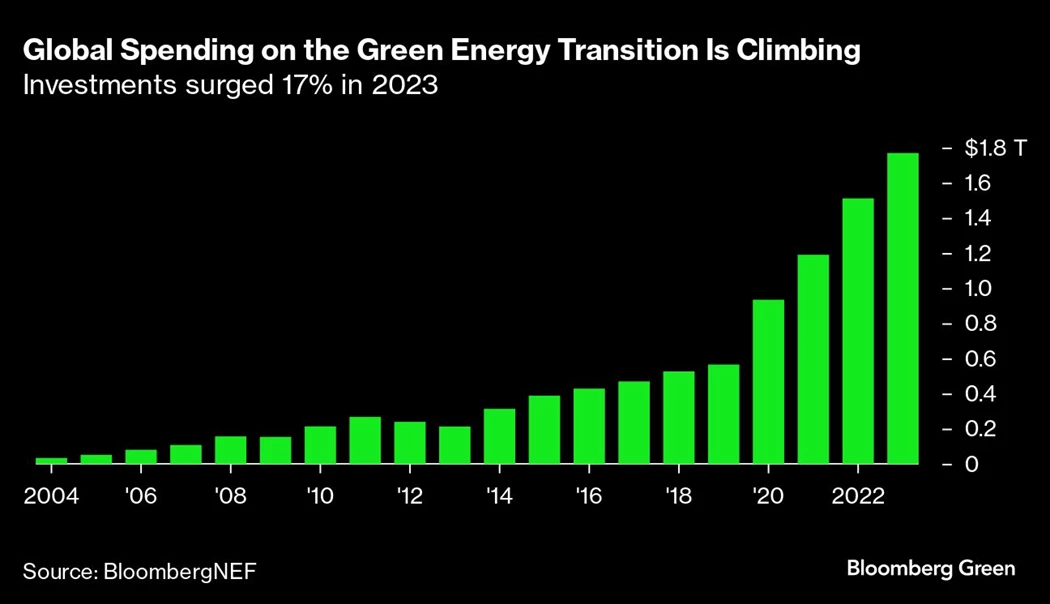
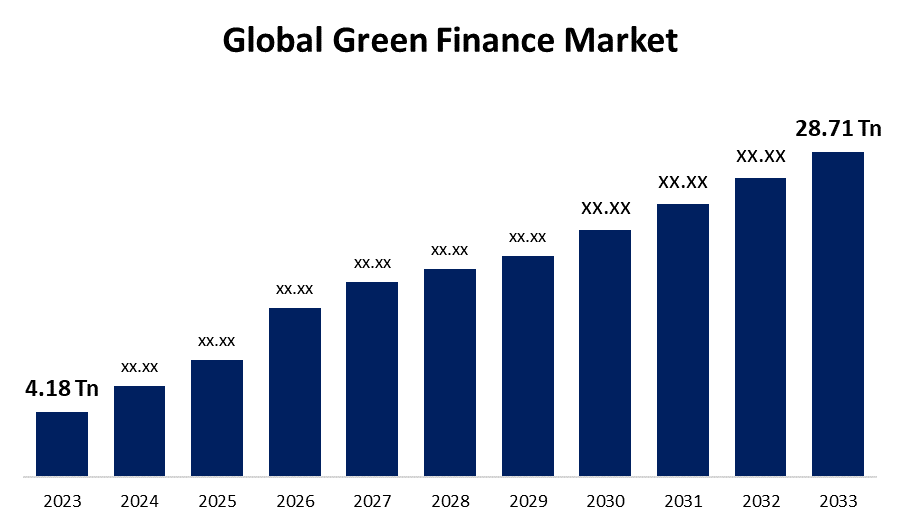
The technology sector, long celebrated as a driver of global innovation and economic growth, is undergoing a profound transformation. As the digital economy expands, so does its environmental footprint, drawing increased scrutiny from regulators, investors, and consumers alike. In response, a powerful and financially compelling movement is reshaping corporate strategies: the massive surge in Green IT investments. This strategic pivot goes far beyond mere carbon neutrality pledges; it represents a fundamental re-engineering of how businesses procure, power, and manage technology to achieve both ecological responsibility and robust financial returns. This in-depth analysis explores the powerful drivers fueling this investment boom, details the key areas attracting capital, examines the measurable business benefits, and provides a strategic framework for organizations to successfully navigate and profit from the transition to a sustainable digital future.
A. The Imperative for Change: Drivers Behind the Green IT Boom
The transition to Green IT is not a voluntary trend but a strategic necessity driven by a powerful convergence of market, regulatory, and environmental forces.
A. Mounting Regulatory Pressure and Compliance Mandates:
Governments worldwide are implementing stringent environmental regulations that directly impact technology operations.
-
The European Green Deal and CSRD: The Corporate Sustainability Reporting Directive (CSRD) mandates detailed sustainability disclosures, forcing companies to meticulously track and report the environmental impact of their IT operations, from energy consumption to e-waste.
-
Carbon Tax Schemes: As carbon pricing mechanisms become more widespread, the financial cost of emissions from energy-intensive data centers and IT infrastructure creates a direct incentive for efficiency.
-
Product-Specific Regulations: Laws like the EU’s Energy-related Products (ErP) directive set strict efficiency standards for servers, workstations, and networking equipment, pushing manufacturers and buyers toward greener alternatives.
B. The Overwhelming Influence of ESG Investing:
Environmental, Social, and Governance (ESG) criteria have become a critical factor in investment decisions.
-
Access to Capital: Companies with strong ESG ratings consistently demonstrate lower risk profiles and often enjoy better access to capital and lower borrowing costs. Major investment funds are now actively divesting from companies with poor environmental performance.
-
Shareholder Activism: Investors are increasingly using their power to demand transparent climate action plans from tech companies, including clear roadmaps for reducing the carbon footprint of their digital infrastructure.
C. The Soaring Cost of Energy and Operational Efficiency:
Energy is the single largest operational expense for data centers and large-scale IT operations. With volatile and rising energy prices, efficiency is no longer just an environmental goal but a core financial imperative.
-
The Business Case for Efficiency: Investments in energy-efficient hardware and optimized cooling systems directly translate to lower electricity bills, improving the bottom line. A reduction in power usage effectiveness (PUE) from 1.6 to 1.2 can save millions of dollars annually for a large data center.
D. Intensifying Consumer and Stakeholder Demand:
Modern consumers and B2B clients are increasingly making purchasing decisions based on a company’s environmental credentials.
-
Brand Reputation and Trust: A demonstrable commitment to sustainability enhances brand image, builds customer loyalty, and can be a decisive competitive differentiator.
-
Supply Chain Requirements: Large corporations, particularly in Europe and North America, are requiring their suppliers to meet specific sustainability targets, forcing entire supply chains to adopt Green IT practices.
B. Key Investment Areas: Where Capital is Flowing
The Green IT landscape encompasses a diverse range of technologies and strategies, each attracting significant investment.
A. Energy-Efficient Data Center Infrastructure:
The modern data center is the epicenter of Green IT innovation, with capital flowing toward radical efficiency improvements.
-
Advanced Liquid Cooling Systems: As processor densities skyrocket with AI workloads, traditional air cooling becomes insufficient. Immersion cooling and direct-to-chip liquid cooling systems, which are 90% more efficient, are seeing massive R&D and deployment investments.
-
AI-Powered Data Center Management: Using machine learning algorithms to dynamically optimize cooling, power distribution, and server workload placement in real-time. Google’s use of DeepMind AI reduced its cooling costs by 40%, setting a new industry standard.
-
Heat Reutilization Projects: Innovative systems that capture waste heat from data centers to warm nearby offices, residential buildings, and greenhouses, turning a waste product into a valuable community asset.
B. The Migration to Green Cloud Platforms:
The shift from on-premises data centers to cloud platforms is itself a green initiative, but investors are now discerning between cloud providers.
-
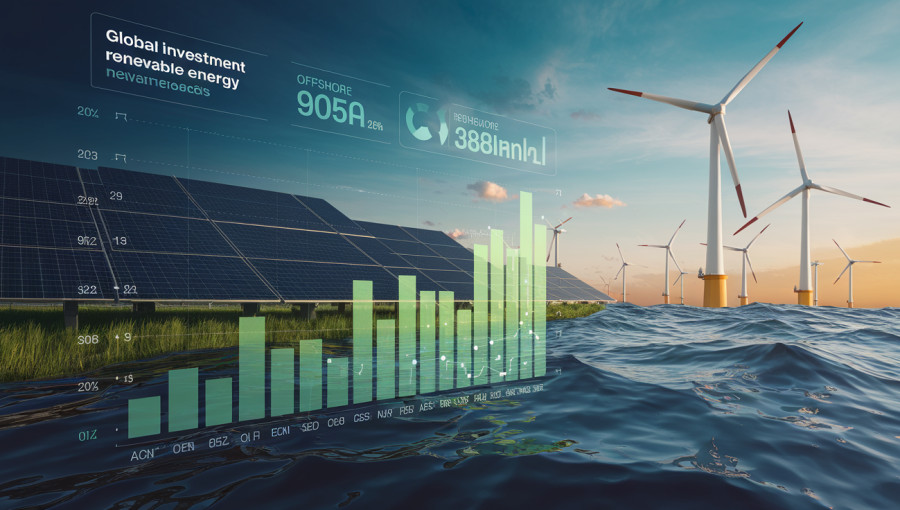
Renewable Energy-Powered Clouds: Major providers like Amazon Web Services (AWS), Google Cloud, and Microsoft Azure are making colossal investments in wind and solar farms to power their global regions. The race to achieve “24/7 carbon-free energy” is a key investment driver.
-
Carbon-Aware Computing: Emerging services that automatically shift non-urgent computational workloads to times of day or geographical regions where the electricity grid is powered by a higher percentage of renewables (e.g., when solar power is abundant).
C. Sustainable Hardware and Circular Economy Models:
The “take-make-dispose” model is being replaced by a circular approach that prioritizes resource longevity and reuse.
-
Energy-Efficient Silicon: Investments in chip architectures, like ARM-based servers, that deliver superior performance-per-watt compared to traditional x86 designs. Apple’s M-series chips for Macs are a prime example of this power-efficiency advantage.
-
Hardware-as-a-Service (HaaS): Instead of purchasing equipment, companies subscribe to hardware, with the vendor retaining ownership and responsibility for maintenance, upgrades, and end-of-life recycling. This model incentivizes manufacturers to build durable, repairable, and upgradable products.
-
Advanced IT Asset Disposition (ITAD): Sophisticated recycling and refurbishment ecosystems that securely wipe data, refurbish functional equipment for resale, and responsibly harvest rare earth minerals from non-functional devices, keeping them out of landfills.
D. Green Software Engineering:
The sustainability focus is expanding from hardware to the software that runs on it.
-
Algorithmic Efficiency: Writing code that accomplishes tasks with fewer computational cycles, thereby consuming less energy. This involves optimizing database queries, reducing network calls, and choosing more efficient programming languages for specific tasks.
-
Lightweight Application Design: Developing web and mobile applications that are less data-heavy and require less client-side processing, extending the battery life of user devices and reducing network energy consumption.
C. The Tangible Business Benefits of Green IT Investments
Far from being a cost center, strategic Green IT investments deliver a compelling return on investment (ROI) across multiple dimensions.
A. Direct and Substantial Cost Reduction:
The most immediate benefit is a dramatic decrease in operational expenditures.
-
Lower Energy Bills: High-efficiency servers, optimized cooling, and power management software can reduce a data center’s energy consumption by 30-50%.
-
Reduced Hardware Spend: Extending the lifecycle of IT assets through refurbishment and HaaS models lowers capital expenditure.
-
Minimized Disposal Costs and Liability: Proper e-waste management avoids regulatory fines and the long-term environmental liability associated with landfills.
B. Enhanced Competitive Advantage and Market Positioning:
Sustainability is becoming a powerful market differentiator.
-
Winning Green Tenders: Many government and corporate RFPs now include mandatory sustainability criteria, giving green-conscious companies a significant advantage.
-
Attracting and Retaining Talent: Top talent, particularly from younger generations, prefers to work for companies that demonstrate a genuine commitment to environmental stewardship.
-
Future-Proofing the Business: Proactively adapting to regulations and market expectations prevents costly, reactive scrambles for compliance down the road.
C. Improved Risk Management and Operational Resilience:
Green IT practices inherently build a more robust and resilient operation.
-
Diversified Energy Sources: Investing in on-site solar or power purchase agreements (PPAs) for renewables reduces dependence on the volatile fossil fuel grid.
-
Supply Chain Stability: A circular approach to hardware mitigates risks associated with semiconductor shortages and supply chain disruptions.
-
Brand Protection: A strong Green IT program protects against reputational damage from being labeled an environmental laggard.
D. A Strategic Framework for Implementing Green IT
Transitioning to a sustainable IT model requires a structured, phased approach.
A. Phase 1: Assessment and Baseline Establishment:
You cannot manage what you do not measure.
-
Conduct a comprehensive IT carbon footprint audit, measuring energy consumption across data centers, cloud usage, and end-user devices.
-
Establish Key Performance Indicators (KPIs) such as PUE, Carbon Usage Effectiveness (CUE), and hardware refresh cycles.
B. Phase 2: Strategy Development and Goal Setting:
-
Define clear, measurable, and time-bound goals, for example: “Achieve 80% renewable energy for our data centers by 2027” or “Reduce e-waste by 50% through a HaaS program by 2026.”
-
Prioritize projects based on ROI and impact, focusing on quick wins (e.g., server virtualization) and long-term transformations (e.g., data center redesign).
C. Phase 3: Implementation and Integration:
-
Invest in the identified technologies, such as energy management software, efficient hardware, and cloud migration tools.
-
Integrate sustainability into procurement policies, mandating Energy Star certifications, EPEAT ratings, and vendor sustainability disclosures.
D. Phase 4: Continuous Monitoring and Optimization:
-
Use dashboards to track KPIs in real-time and report progress to stakeholders.
-
Foster a culture of continuous improvement, encouraging employee-led green initiatives and regularly reviewing new technologies and strategies.
E. The Future Horizon: Emerging Trends in Green IT
The innovation in this space is accelerating, with several key trends shaping the future.
A. The Proliferation of Carbon Accounting Software:
Specialized platforms are emerging to automatically track, analyze, and report the carbon emissions of every digital activity, from a single cloud computation to a company-wide email blast.
B. The Rise of the Sustainable AI Movement:
As AI’s energy appetite grows, there is a burgeoning focus on developing energy-efficient AI models, optimizing training processes, and using AI itself to solve environmental challenges—a field known as “AI for Earth.”
C. Regulatory Evolution toward Full Lifecycle Accountability:
Future regulations will likely mandate full lifecycle carbon accounting for tech products, from the mining of raw materials to end-of-life recycling, pushing manufacturers toward truly sustainable design.
Conclusion: The Inevitable Ascendancy of Sustainable Technology
The surge in Green IT investments marks a definitive turning point for the global technology industry. It signals a maturation from a singular focus on performance at any cost to a more holistic, responsible, and ultimately more profitable paradigm. The businesses that recognize this shift not as a compliance burden but as a strategic opportunity will be the ones to thrive. They will benefit from lower costs, enhanced brand loyalty, reduced risk, and access to a new generation of conscious consumers and employees. The message is clear: the future of technology is not just smarter and faster; it is unequivocally greener. The time for strategic investment in Green IT is not tomorrow—it is now.