
A. The Strategic Imperative of Managed Hosting in the Digital Economy
In an era where a company’s online presence is inextricably linked to its brand reputation, customer trust, and revenue generation, the underlying web infrastructure can no longer be an afterthought. The choice between a standard, self-managed server and a fully managed hosting service represents a fundamental strategic decision with far-reaching implications for business agility, security, and growth. Managed hosting is a comprehensive service model where the hosting provider assumes responsibility for the day-to-day management, maintenance, and support of the server infrastructure, software, and security. This allows businesses to redirect their valuable technical resources and focus on their core competencies—developing products, serving customers, and driving innovation. This in-depth guide will explore the multifaceted benefits of managed hosting, demonstrating how this investment transcends mere server administration to become a powerful catalyst for operational excellence, fortified security, and sustainable digital growth.
The evolution from traditional unmanaged hosting to managed services mirrors a broader shift in business philosophy towards specialization and operational efficiency. Just as companies outsource payroll, legal, and accounting functions to experts, delegating complex server management to specialized providers allows for a more streamlined, secure, and performant online operation. We will dissect the tangible returns on investment, from cost savings and enhanced security to superior performance and unparalleled support, providing a clear framework for understanding why managed hosting is no longer a luxury, but a necessity for serious online businesses.
B. Deconstructing the Managed Hosting Service Model
To fully appreciate its benefits, one must first understand what a managed hosting provider actually does. The scope of “managed” can vary, but it typically encompasses a wide array of technical responsibilities that would otherwise fall on an in-house team.
A. Core Responsibilities of a Managed Hosting Provider
A reputable managed hosting service acts as an extension of your IT department, handling the intricate and time-consuming tasks required to keep a server secure, fast, and reliable.
-
Proactive Server Monitoring and Maintenance: This involves 24/7 surveillance of server health, including CPU, RAM, and disk space utilization, network traffic, and application performance. Providers proactively address potential issues before they escalate into downtime.
-
Security Hardening and Management: This is a critical pillar. Services include configuring firewalls, implementing intrusion detection and prevention systems (IDS/IPS), performing regular vulnerability scans, and applying security patches to the operating system and core software in a timely manner.
-
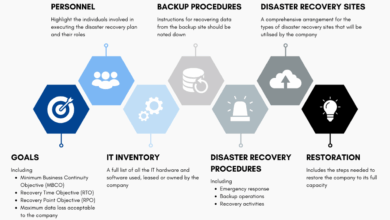
Automated Backup and Disaster Recovery: Managed providers implement and monitor automated, off-site backup solutions. They ensure that backups are consistent, tested, and can be rapidly restored in the event of data corruption, a security breach, or hardware failure.
-
Software and Application Support: This includes the installation, configuration, and updating of the core web stack (e.g., PHP, MySQL, Nginx/Apache) and often extends to popular applications like WordPress, Magento, or Joomla, including plugin and theme compatibility management.
-
Performance Optimization: Providers continuously tune the server environment for maximum speed and efficiency. This can include configuring caching mechanisms (e.g., Varnish, Redis), optimizing databases, and implementing a Content Delivery Network (CDN).
-
Expert Technical Support: Access to a team of seasoned system administrators and support technicians who can resolve complex issues related to the server environment, not just simple “my site is down” tickets.

C. The Multifaceted Benefits: A Deep Dive into the Value Proposition
The decision to adopt a managed hosting model yields significant advantages across every dimension of your online operations.
A. Unparalleled Proactive Security and Threat Mitigation
In a landscape of increasingly sophisticated cyber threats, a reactive security posture is a recipe for disaster. Managed hosting provides a proactive, multi-layered defense strategy.
-
Expert-Led Hardening: Your server is configured by security experts who understand the common attack vectors and how to defend against them, going far beyond the default configurations of an unmanaged server.
-
Timely Patch Management: The provider ensures that critical security patches for the OS and software are applied promptly, closing vulnerabilities that hackers actively exploit. This eliminates the risk of human error or forgetfulness in an internal team.
-
Advanced Threat Detection: Many managed hosts offer Web Application Firewalls (WAF), malware scanning, and DDoS mitigation as standard features, providing a level of protection that would be costly and complex to implement independently.
-
Compliance Assistance: For businesses in regulated industries, managed providers can help maintain compliance with standards like PCI DSS (for e-commerce) and HIPAA (for healthcare) through their hardened environments and documented security practices.
B. Enhanced Performance and Guaranteed Reliability
Website speed is directly correlated with user experience, conversion rates, and search engine rankings. Managed hosting is engineered for performance.
-
Optimized Server Stacks: The server software is meticulously tuned for the specific applications it runs (e.g., a optimized LEMP stack for WordPress). This includes fine-tuning database settings and memory allocation for optimal responsiveness.
-
High-Availability Infrastructure: Many managed hosting plans include redundant hardware, power supplies, and network connections, often backed by a 99.9% or higher uptime Service Level Agreement (SLA). This minimizes the risk of costly downtime.
-
Integrated Caching and CDN: Performance-enhancing technologies like server-level caching and global CDNs are often built into the service, ensuring fast load times for visitors regardless of their geographic location.
C. Significant Operational Efficiency and Cost Reduction
While managed hosting carries a higher monthly fee than unmanaged alternatives, its Total Cost of Ownership (TCO) is often substantially lower.
-
Elimination of Specialized Staff Costs: Hiring, training, and retaining a qualified system administrator represents a significant and recurring expense. Managed hosting provides access to an entire team of experts for a fraction of the cost.
-
Reduced Downtime Expenses: The cost of website downtime—in lost sales, damaged reputation, and recovery efforts—can be catastrophic. The proactive monitoring and maintenance of managed hosting drastically reduce this risk, providing immense financial protection.
-
Predictable Budgeting: With a managed service, your hosting costs become a predictable operational expense. There are no surprise bills for emergency support or hardware replacements, allowing for more accurate financial planning.
D. Access to Elite Technical Expertise and Support
This is perhaps the most underrated benefit. The support team of a quality managed host is not a basic call center; it is a group of dedicated server experts.
-
Problem Resolution at the Root Cause: Instead of just getting your site back online, managed support technicians will diagnose the underlying issue—be it a misconfigured setting, a resource-hungry plugin, or a software conflict—and provide a permanent solution.
-
Strategic Guidance: Your provider can act as a consultant, offering advice on scaling your infrastructure, optimizing your application, or preparing for traffic spikes, helping you make informed long-term decisions.
-
24/7 Peace of Mind: Knowing that a team of experts is watching over your infrastructure around the clock allows business owners and developers to sleep soundly, free from the anxiety of a potential midnight server failure.
E. Strategic Resource Allocation and Business Focus
By offloading the burden of infrastructure management, a company can achieve a sharper strategic focus.
-
Developer Productivity: Development teams are freed from tedious server maintenance tasks and can concentrate on writing code, building features, and improving the application itself.
-
Management Clarity: Business leaders can focus on growth, marketing, and customer acquisition without being distracted by technical operational challenges.
-
Scalability on Demand: Managed hosting providers make it seamless to scale resources up or down as business needs change, handling the complex technical migration behind the scenes.
D. Identifying the Ideal Candidate for Managed Hosting
While beneficial for many, managed hosting provides the highest return on investment for specific profiles.
A. Growing E-commerce Businesses
For online stores, every second of downtime translates directly to lost revenue. The security, performance, and reliability of managed hosting are non-negotiable for protecting sales and customer data.
B. Resource-Constrained Small to Medium-Sized Businesses (SMBs)
SMBs often lack the budget for a dedicated, in-house IT team. Managed hosting provides enterprise-grade infrastructure and expertise at an accessible price point, leveling the playing field with larger competitors.
C. Marketing and Digital Agencies
Agencies hosting client websites have a reputation to uphold. Managed hosting ensures all client sites are secure, fast, and reliable, while the expert support serves as a backup technical team for the agency.
D. High-Traffic Websites and Complex Web Applications
Websites that have outgrown shared or basic VPS hosting require an environment that is both powerful and meticulously maintained. Managed hosting provides the performance tuning and proactive care necessary for sustained growth.

E. A Framework for Selecting a Managed Hosting Provider
Choosing the right partner is critical. Here are the key criteria for evaluation:
A. Scope of Management
Clearly define what is included. Is it just the server, or does it include the application (e.g., Managed WordPress)? Understand the boundaries of support.
B. Security Protocols and Certifications
Inquire about their specific security measures: firewalls, malware scanning frequency, patch management policies, and compliance offerings.
C. Performance and Uptime Guarantees
Look for providers that are transparent about their infrastructure and offer a strong uptime SLA with clear remedies for failure.
D. Quality and Expertise of Support
Test their pre-sales response. Are they knowledgeable? Do they offer 24/7 support via multiple channels (phone, chat, ticket)?
E. Backup and Disaster Recovery Procedures
Understand their backup frequency, retention policy, and the process for performing a restore. Ensure it is automated and reliable.
F. Conclusion: An Investment in Growth and Peace of Mind
Managed hosting is far more than a convenience; it is a strategic business decision that aligns IT infrastructure with overarching commercial goals. The benefits—fortified security, optimized performance, reduced operational costs, and access to elite expertise—collectively create a robust foundation for digital success. In a world where online performance directly impacts the bottom line, the question is no longer whether you can afford managed hosting, but whether you can afford the risks of not having it. By partnering with a qualified managed hosting provider, businesses can effectively outsource their technical complexities, mitigate significant risks, and reclaim the focus and resources needed to drive innovation and growth. It is an investment that pays dividends not just in server uptime, but in business continuity, customer satisfaction, and long-term market resilience.