
In the high-stakes world of hyperscale computing, where efficiency gains of a single percentage point can translate to millions of dollars in savings, a quiet revolution has been reshaping the very foundation of data center infrastructure. The Open Compute Project (OCP), initiated by Facebook in 2011, has evolved from an internal engineering experiment into a global consortium driving unprecedented collaboration and innovation in hardware design. By applying open-source principles—long the domain of software—to physical hardware, OCP is dismantling proprietary silos and delivering tangible, massive-scale benefits to its members. This comprehensive analysis explores the multifaceted advantages of the Open Compute Project, detailing how open-source hardware drives efficiency, slashes costs, accelerates innovation, and builds a more sustainable and resilient future for the entire digital ecosystem.
A. The Genesis of a Revolution: From Facebook’s Problem to Global Solution
The story of OCP begins with a scaling crisis. As Facebook’s user base exploded past half a billion, its engineers realized that off-the-shelf data center equipment was inefficient, over-engineered for their specific needs, and prohibitively expensive to scale.
A. The Founding Philosophy:
Facebook made a radical decision: to design its own custom servers, racks, and data centers from the ground up, focusing on three core principles:
-
Extreme Efficiency: Maximizing performance per watt and minimizing material waste.
-
Total Cost of Ownership (TCO) Reduction: Focusing on the long-term cost of purchasing, powering, and maintaining hardware.
-
Supply Chain Simplification: Bypassing traditional vendors to work directly with original design manufacturers (ODMs).
B. The Birth of an Open Community:
In a groundbreaking move, Facebook open-sourced these designs, inviting others to collaborate, improve upon them, and build a shared ecosystem. This gave birth to the Open Compute Project Foundation, which now includes industry titans like Microsoft, Google, Intel, and hundreds of other technology companies.
B. The Core Advantages: Deconstructing the OCP Value Proposition
The benefits of adopting OCP standards are profound and impact nearly every aspect of IT operations, from the financial ledger to the environmental footprint.
A. Radical Cost Reduction and TCO Optimization:
OCP’s most immediate and compelling advantage is its dramatic impact on the bottom line.
-
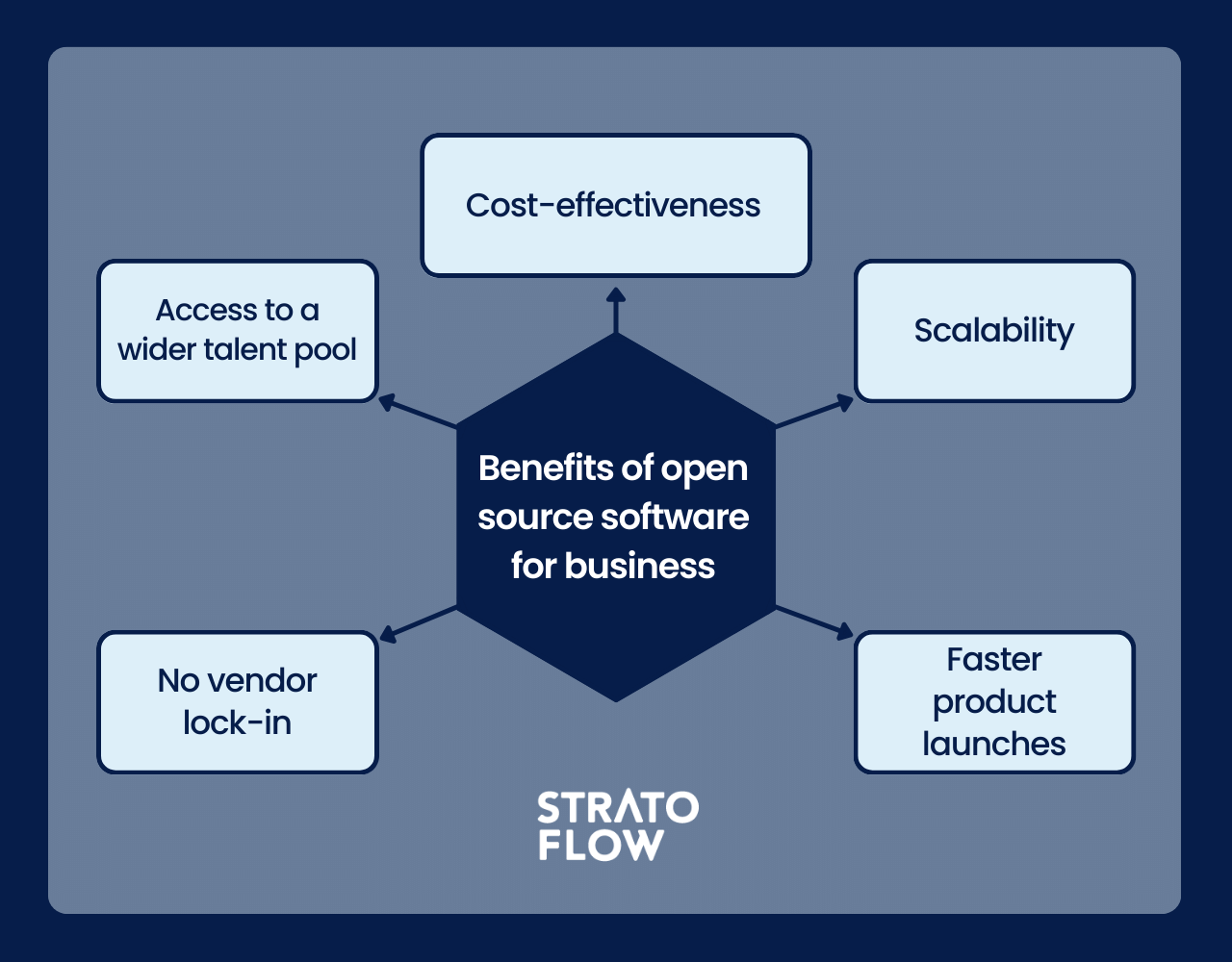
Elimination of Vendor Lock-in and Proprietary Markups: By using standardized, open designs, organizations can procure identical hardware from multiple ODMs (e.g., Quanta, Wiwynn, Inspur), fostering intense competition and driving down purchase prices by 20-40% compared to traditional branded servers.
-
Reduced Component Costs: OCP designs often use standard, commoditized components and eliminate non-essential features (e.g., redundant bezels, custom tooling, proprietary management modules), further reducing the bill of materials.
-
Lower Operational Expenditure: Simplified, tool-less designs enable faster repairs and maintenance. A technician can replace a failed power supply or motherboard in seconds, not minutes, reducing labor costs and mean-time-to-repair (MTTR).
B. Unprecedented Energy and Operational Efficiency:
OCP was born from the need to manage massive energy consumption, making efficiency a core tenet of every design.
-
Power Supply Efficiency: OCP pioneered the use of centralized, redundant, and highly efficient (Titanium-level) power supplies that feed 12V DC directly to entire racks of servers. This eliminates the need for inefficient AC/DC converters in every individual server, reducing power conversion losses dramatically.
-
Optimized Thermal Design: OCP racks are designed for optimal airflow, often using a “vanity-free” chassis with large, slow-spinning fans that move more air with less energy. This contributes directly to a lower Power Usage Effectiveness (PUE).
-
Increased Rack Density: By rethinking the entire rack as a system, OCP enables higher power densities, allowing more compute power in a smaller physical footprint and reducing real estate costs.
C. Accelerated Innovation and Collaborative R&D:
The open-source model creates a powerful innovation flywheel that benefits all participants.
-
Pooled Intellectual Property: Instead of every company independently solving the same engineering problems, they share their best designs. A cooling solution developed by Microsoft or a new storage sled design from Google becomes available for the entire community to use and improve.
-
Faster Technology Adoption: The community collaboratively develops specifications for new technologies (e.g., new form factors, accelerators, interconnects), allowing the entire ecosystem to adopt them simultaneously, rather than waiting for a single vendor’s product cycle.
-
Democratized Access to Hyperscale Engineering: Mid-sized companies and cloud providers can leverage hardware designs that were once the exclusive domain of the world’s largest tech giants, leveling the competitive playing field.
D. Enhanced Hardware Management and Operational Agility:
OCP rethinks not just the hardware, but how it is managed at scale.
-
Common Management Frameworks: Projects like OpenBMC (Open Baseboard Management Controller) create a standardized, open-source firmware for remote server management, replacing proprietary iDRAC, iLO, or BMC systems. This provides greater control, security, and automation capabilities.
-
Rack-Level Management: The concept of Rack Scale Design (RSD) allows entire racks to be managed as a single, composable pool of resources (compute, storage, networking), enabling dynamic provisioning and vastly improved resource utilization.
-
Simplified Spare Parts and Maintenance: Standardization means a much smaller inventory of spare parts is required. A single type of power supply, fan, or motherboard can service an entire fleet of servers, simplifying logistics and reducing overhead.
E. Improved Sustainability and Environmental Impact:
In an era of intense focus on ESG (Environmental, Social, and Governance) goals, OCP provides a clear path to a greener data center.
-
Hardware Efficiency: The inherent energy efficiency of OCP designs directly reduces the carbon footprint of computing operations.
-
Material Reuse and Recyclability: Designs prioritize the use of recyclable materials and are engineered for easy disassembly, supporting circular economy principles.
-
Longer Hardware Lifecycles: The ability to easily repair and upgrade individual components extends the useful life of hardware, reducing electronic waste.
-
Transparent Supply Chains: The open nature of the specifications allows for greater scrutiny and optimization of the entire manufacturing and logistics chain for sustainability.
C. Key OCP Technologies and Form Factors
The OCP ecosystem comprises several groundbreaking hardware specifications that deliver these benefits.
A. Open Rack: The Foundation of Scale:
This is OCP’s standard rack architecture, featuring:
-
48V DC Power Bus: A more efficient power distribution system compared to traditional 208V AC.
-
21-inch Cabinet Width: Provides more space for wider servers and improved airflow compared to the standard 19-inch rack.
-
Power Shelf: Houses the shared, redundant, high-efficiency power supplies for the entire rack.
B. Olympus and Tioga Pass Server Specifications:
These are the common, community-developed server designs for general-purpose computing.
-
Modularity: Designed with a common motherboard form factor that can be deployed in various chassis types (1U, 2U, sleds).
-
Disaggregation: Encourages the separation of compute, storage, and accelerators, allowing each to be upgraded independently.
C. Open19 Project: Bridging the Gap:
Recognizing that many enterprises use standard 19-inch racks, the Open19 project (now part of OCP) defines a standard “slot” for servers, power, and networking within a traditional rack, making OCP benefits accessible without a full rack overhaul.
D. Storage and Networking Innovations:
-
Open Vault (Knox): A high-density storage sled design that allows for easy serviceability of dozens of hard drives.
-
SONiC (Software for Open Networking in the Cloud): An open-source network operating system that decouples networking software from the underlying hardware, breaking the stranglehold of proprietary NOS vendors and enabling massive cost savings and flexibility.
D. Adoption and Implementation: Who Benefits and How?
The OCP model is not just for hyperscalers. Its adoption spans a diverse range of organizations.
A. Hyperscale Cloud Providers (Facebook, Google, Microsoft):
The founding members and largest beneficiaries, who deploy OCP hardware by the millions of units in their global data centers.
B. Large Enterprises and Financial Institutions:
Companies with large private cloud deployments are adopting OCP to gain hyperscale-like efficiencies, reduce costs, and gain more control over their infrastructure.
C. Colocation and Telecommunication Providers:
Companies like Equinix and Deutsche Telekom use OCP hardware to build more efficient, scalable infrastructure for their customers, often offering “OCP-ready” colocation space.
D. System Integrators and Solution Providers:
A growing ecosystem of partners helps smaller enterprises adopt OCP technology by providing integrated, supported solutions.
E. Challenges and Considerations for Adoption
While the benefits are substantial, transitioning to an OCP model presents unique challenges.
A. The Shift in Operational Mindset and Skills:
Moving from a vendor-supported model to a “you own the problem” mentality requires a more skilled, hardware-proficient operations team.
B. The Supply Chain and Logistics Management:
Organizations must now manage relationships with ODMs and component suppliers directly, which can be complex without established processes.
C. Perceived (and Real) Support Gaps:
The lack of a single vendor to call for support can be a concern, though this is being addressed by a growing ecosystem of third-party support and professional service providers.
Conclusion: The Inevitable Open Future of Hardware
The Open Compute Project has fundamentally proven that collaboration in hardware can yield even greater rewards than in software. By breaking down proprietary barriers, it has unlocked unprecedented levels of efficiency, cost savings, and innovation that are essential for supporting our data-driven global economy. The advantages of OCP—from radical TCO reduction and energy efficiency to accelerated innovation and improved sustainability—are too significant to ignore. As the digital world continues to expand, the principles of open, collaborative, and efficient hardware design championed by OCP will inevitably become the standard, not the exception. For any organization serious about scaling its infrastructure efficiently, responsibly, and cost-effectively, engaging with and adopting Open Compute Project standards is no longer a radical choice, but a strategic imperative for future-proof growth.